
الجمعة، 2 يونيو 2017
الأحد، 21 مايو 2017

الأحد، 12 فبراير 2017
PDF CV Samples
CV AND RESUME CAREERS SAMPLES AND DOWNLOADS
Writing a CV is hectic, especially if you’re starting from scratch, sitting down to write a winning CV will seem like a significant and time-consuming task. Even if you’re well aware of the basics or have previous experience of writing CV, you may be overlooking a simple but costly mistake as a result of habitually using the same old document.
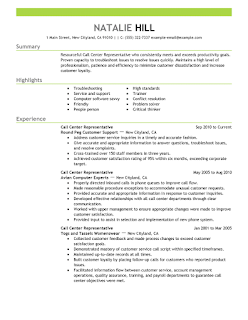
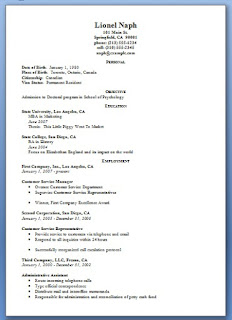
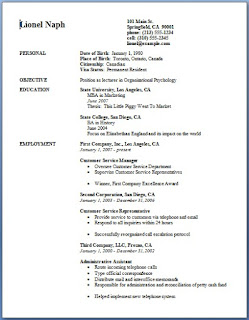
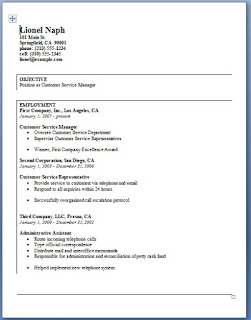
This site Provide useful CV templates for download. The templates are in word format and can be easily downloaded and edited accordingly.
Click on the Image to preview the CV.
Useful Tool: Free Cover Letter Generator


For Professional CV, visit CV writing Services


  |
WE UPLOAD DIFFERENT CAREER CV SAMPLES DAILY, KINDLY COMMENT YOUR CAREER, SO WE CAN UPLOAD A SAMPLE CV JUST FOR YOU.
ALSO LIKE OUR PAGE AND KINDLY SHARE.
الأربعاء، 23 نوفمبر 2016
Top 20 Questions asked in an interview.
Congratulations, you have been called for an interview, that
means you wrote an impressive CV, and your Cover Letter was appealing enough.
Now it’s your turn to show up and impress in the interviewer. But how do you
answer the interview question the right way?
There is no way to tell the questions you will be asked at
the interview, but here are the top 20 common question you will likely be asked
and how to answer them. It is good to be extra prepared when going for an interview;
give it all your best.
1-Tell me about yourself.
This is probably the most asked question in an interview. It breaks the ice and gets you to talk about something you should be fairly comfortable with. Have something prepared that doesn’t sound rehearsed. It’s not about you telling your life story and quite frankly the interviewer just isn’t interested. Unless asked to do so, stick to your education, career and current situation. Work through it chronologically from the furthest back to the present.
2- Why are you looking for another job (or why did you leave your previous job)?
On the surface this appears to be a simple question, yet it is easy to slip. I would suggest not mentioning money at this stage as you may come across as totally mercenary. If you are currently in employment you can say it’s about developing your career and yourself as an individual. If you are in the unfortunate position of having been downsized stay positive and keep it brief. If you were fired you should have a solid explanation. Whatever your circumstances do not go into the drama and detail and stay positive.
3- What do you know about this organisation?
Do your homework prior to the interview. Doing the background work will help you stand out. Find out who the main players are, have they been in the news recently? You’re not expected to know every date and individual yet you need to have a solid understanding of the company as a whole.
4- Why do you want this job?
This questions typically follows on from the previous one. Here is where your research will come in handy. You may want to say that you want to work for a company that is x, y, z, (market leader, innovator, provides a vital service, whatever it may be). Put some thought into this beforehand, be specific and link the company’s values and mission statement to your own goals and career plans.
5- Who are our main competitors?
This shows you really understand the industry and the main players. Think about a few and say how you think they compare; similarities, differences. This is a good opportunity to highlight what you think are the company’s key strengths.
6- What would your previous co-workers say about you?
This is not the arena for full disclosure. You want to stay positive and add a few specific statements or paraphrase. Something like “Joe Blogs always mentioned how reliable and hard working I was” is enough.
7- How do you handle stressful situations and working under pressure?
There are several ways of addressing this one. You may be the sort of person that works well under pressure; you may even thrive under pressure. Whatever the case may be just make sure you don’t say you panic. You want to give specific examples of stressful situations and how well you dealt with them. You may also want to list a few tools you use to help you, such as to do lists etc. It is alright to say that if you feel you are way over your head you will ask for assistance. It is equally acceptable to say that you work best under pressure if this is indeed the case and relevant to the particular role.
8- Are you applying for other jobs?
If you are serious about changing jobs then it is likely that you are applying to other positions. It is also a way of showing that you are in demand. Be honest but don’t go into too much detail, you don’t want to spend a great deal of time on this. If asked about names of who you have spoken to it is absolutely legitimate to say you prefer not to disclose that information at this stage.
9- What are you like working in a team?
Your answer is of course that you are an excellent team player; there really is no other valid answer here as you will not function in an organisation as a loner. You may want to mention what type of role you tend to adopt in a team, especially if you want to emphasis key skills such as leadership. Be prepared to give specific examples in a very matter of fact sort of way.
10- What sort of person do you not like to work with?
This is not an easy one as you have no idea whom you would be working with. Even if you can immediately think of a long list of people you don’t like to work with, you could take some time to think and say that it’s a difficult question as you have always gotten on fine with your colleagues.
11- What is your greatest strength?
This is your time to shine. Just remember the interviewer is looking for work related strengths. Mention a number of them such as being a good motivator, problem solver, performing well under pressure, loyal, positive attitude, eager to learn, taking the initiative, attention to detail. Whichever you go for, be prepared to give examples that illustrate this particular skill.
12- What is your biggest weakness?
A challenging one, as if you so you have no weaknesses you are obviously lying! Be realistic and mention a small work related flaw. Many people will suggest answering this using a positive trait disguised as a flaw such as “I’m a perfectionist” or “I expect others to be as committed as I am”. I would advocate a certain degree of honesty and list a true weakness. Emphasize what you’ve done to overcome it and improve. This question is all about how you perceive and evaluate yourself.
13- What has been your biggest professional disappointment/achievement so far?
If asked about disappointments mention something that was beyond your control. Stay positive by showing how you accepted the situation and have no lingering negative feelings. If asked about your greatest achievement chose an example that was important to you as well as the company. Specify what you did, how you did it and what the results were. Ideally pick an example that can relate to the positions you are applying for.
14- What kind of decisions do you find most difficult to take?
There is no right or wrong here. The logic behind this type of question is that your past behaviour is likely to predict what you will do in the future. What the interviewer is looking for is to understand what you find difficult.
15- Tell me about a suggestion that you have made that has been successfully implemented.
Here the emphasis is on the implemented. You may have had many brilliant ideas, but what the interview is looking for is something that has actually materialised. Be prepared to briefly describe how it went from an idea to implementation stage.
16- Have you ever had to bend the rules in order to achieve a goal?
Beware of this type of question! Under no circumstances is it necessary to break company policy to achieve something. Resist the temptation to answer and give examples, as what the interviewer is looking for is to determine how ethical you are and if you will remain true to company policy.
17- Are you willing to travel or relocate if necessary?
This is something you need to have very clear in your mind prior to the meeting, if you think there is any chance this may come up. There is no point in saying yes just to get the job if the real answer is actually no. Just be honest as this can save you problems arising in the future.
18- Why should we hire you?
This is an important question that you will need to answer carefully. It is your chance to stand out and draw attention to your skills, especially those that haven’t already been addressed. Saying “because I need a job” or “I’m really good” just won’t cut it. Don’t speculate about other candidates and their possible strengths or flaws. Make sure you focus on you. Explain why you make a good employee, why you are a good fit for the job and the company and what you can offer. Keep it succinct and highlight your achievements.
19- Regarding salary, what are your expectations?
Always a tricky one and a dangerous game to play in an interview. It is a common mistake to discuss salary before you have sold yourself and like in any negotiation knowledge is power. Do your homework and make sure you have an idea of what this job is offering. You can try asking them what the salary range. If you want to avoid the question altogether you could say that at the moment you are looking to advance in your career and money isn’t your main motivator. If you do have a specific figure in mind and you are confident you can get it, then it may be worth going for it.
20- Do you have any questions for us?
This one tends to come up every time. Have some questions prepared. This will show you have done some research and are eager to know and learn as much as possible. You probably don’t want to ask more than 3 or 4 questions. Try and use questions that focus on you becoming an asset to the company. A generic one might be “how soon can I start if I were to get the job”. Another idea is to ask what you would be working on and how quickly they expect you to be able to be productive. Remember to ask about next steps and when you can expect to hear back.
Bear in mind that the interview starts from the minute you walk into the building until you leave and are out of sight. Don’t think that just because you have left the meeting room, you are “off the hook”. You need to maintain an image of confidence, enthusiasm, competence, reliability and professionalism throughout. Make sure you go back to your curriculum study and refresh your mind on your education, as the interview may ask you question on topics from your area of study.
This is probably the most asked question in an interview. It breaks the ice and gets you to talk about something you should be fairly comfortable with. Have something prepared that doesn’t sound rehearsed. It’s not about you telling your life story and quite frankly the interviewer just isn’t interested. Unless asked to do so, stick to your education, career and current situation. Work through it chronologically from the furthest back to the present.
2- Why are you looking for another job (or why did you leave your previous job)?
On the surface this appears to be a simple question, yet it is easy to slip. I would suggest not mentioning money at this stage as you may come across as totally mercenary. If you are currently in employment you can say it’s about developing your career and yourself as an individual. If you are in the unfortunate position of having been downsized stay positive and keep it brief. If you were fired you should have a solid explanation. Whatever your circumstances do not go into the drama and detail and stay positive.
3- What do you know about this organisation?
Do your homework prior to the interview. Doing the background work will help you stand out. Find out who the main players are, have they been in the news recently? You’re not expected to know every date and individual yet you need to have a solid understanding of the company as a whole.
4- Why do you want this job?
This questions typically follows on from the previous one. Here is where your research will come in handy. You may want to say that you want to work for a company that is x, y, z, (market leader, innovator, provides a vital service, whatever it may be). Put some thought into this beforehand, be specific and link the company’s values and mission statement to your own goals and career plans.
5- Who are our main competitors?
This shows you really understand the industry and the main players. Think about a few and say how you think they compare; similarities, differences. This is a good opportunity to highlight what you think are the company’s key strengths.
6- What would your previous co-workers say about you?
This is not the arena for full disclosure. You want to stay positive and add a few specific statements or paraphrase. Something like “Joe Blogs always mentioned how reliable and hard working I was” is enough.
7- How do you handle stressful situations and working under pressure?
There are several ways of addressing this one. You may be the sort of person that works well under pressure; you may even thrive under pressure. Whatever the case may be just make sure you don’t say you panic. You want to give specific examples of stressful situations and how well you dealt with them. You may also want to list a few tools you use to help you, such as to do lists etc. It is alright to say that if you feel you are way over your head you will ask for assistance. It is equally acceptable to say that you work best under pressure if this is indeed the case and relevant to the particular role.
8- Are you applying for other jobs?
If you are serious about changing jobs then it is likely that you are applying to other positions. It is also a way of showing that you are in demand. Be honest but don’t go into too much detail, you don’t want to spend a great deal of time on this. If asked about names of who you have spoken to it is absolutely legitimate to say you prefer not to disclose that information at this stage.
9- What are you like working in a team?
Your answer is of course that you are an excellent team player; there really is no other valid answer here as you will not function in an organisation as a loner. You may want to mention what type of role you tend to adopt in a team, especially if you want to emphasis key skills such as leadership. Be prepared to give specific examples in a very matter of fact sort of way.
10- What sort of person do you not like to work with?
This is not an easy one as you have no idea whom you would be working with. Even if you can immediately think of a long list of people you don’t like to work with, you could take some time to think and say that it’s a difficult question as you have always gotten on fine with your colleagues.
11- What is your greatest strength?
This is your time to shine. Just remember the interviewer is looking for work related strengths. Mention a number of them such as being a good motivator, problem solver, performing well under pressure, loyal, positive attitude, eager to learn, taking the initiative, attention to detail. Whichever you go for, be prepared to give examples that illustrate this particular skill.
12- What is your biggest weakness?
A challenging one, as if you so you have no weaknesses you are obviously lying! Be realistic and mention a small work related flaw. Many people will suggest answering this using a positive trait disguised as a flaw such as “I’m a perfectionist” or “I expect others to be as committed as I am”. I would advocate a certain degree of honesty and list a true weakness. Emphasize what you’ve done to overcome it and improve. This question is all about how you perceive and evaluate yourself.
13- What has been your biggest professional disappointment/achievement so far?
If asked about disappointments mention something that was beyond your control. Stay positive by showing how you accepted the situation and have no lingering negative feelings. If asked about your greatest achievement chose an example that was important to you as well as the company. Specify what you did, how you did it and what the results were. Ideally pick an example that can relate to the positions you are applying for.
14- What kind of decisions do you find most difficult to take?
There is no right or wrong here. The logic behind this type of question is that your past behaviour is likely to predict what you will do in the future. What the interviewer is looking for is to understand what you find difficult.
15- Tell me about a suggestion that you have made that has been successfully implemented.
Here the emphasis is on the implemented. You may have had many brilliant ideas, but what the interview is looking for is something that has actually materialised. Be prepared to briefly describe how it went from an idea to implementation stage.
16- Have you ever had to bend the rules in order to achieve a goal?
Beware of this type of question! Under no circumstances is it necessary to break company policy to achieve something. Resist the temptation to answer and give examples, as what the interviewer is looking for is to determine how ethical you are and if you will remain true to company policy.
17- Are you willing to travel or relocate if necessary?
This is something you need to have very clear in your mind prior to the meeting, if you think there is any chance this may come up. There is no point in saying yes just to get the job if the real answer is actually no. Just be honest as this can save you problems arising in the future.
18- Why should we hire you?
This is an important question that you will need to answer carefully. It is your chance to stand out and draw attention to your skills, especially those that haven’t already been addressed. Saying “because I need a job” or “I’m really good” just won’t cut it. Don’t speculate about other candidates and their possible strengths or flaws. Make sure you focus on you. Explain why you make a good employee, why you are a good fit for the job and the company and what you can offer. Keep it succinct and highlight your achievements.
19- Regarding salary, what are your expectations?
Always a tricky one and a dangerous game to play in an interview. It is a common mistake to discuss salary before you have sold yourself and like in any negotiation knowledge is power. Do your homework and make sure you have an idea of what this job is offering. You can try asking them what the salary range. If you want to avoid the question altogether you could say that at the moment you are looking to advance in your career and money isn’t your main motivator. If you do have a specific figure in mind and you are confident you can get it, then it may be worth going for it.
20- Do you have any questions for us?
This one tends to come up every time. Have some questions prepared. This will show you have done some research and are eager to know and learn as much as possible. You probably don’t want to ask more than 3 or 4 questions. Try and use questions that focus on you becoming an asset to the company. A generic one might be “how soon can I start if I were to get the job”. Another idea is to ask what you would be working on and how quickly they expect you to be able to be productive. Remember to ask about next steps and when you can expect to hear back.
Bear in mind that the interview starts from the minute you walk into the building until you leave and are out of sight. Don’t think that just because you have left the meeting room, you are “off the hook”. You need to maintain an image of confidence, enthusiasm, competence, reliability and professionalism throughout. Make sure you go back to your curriculum study and refresh your mind on your education, as the interview may ask you question on topics from your area of study.
WWish you all the best!
الجمعة، 11 نوفمبر 2016
Top 5 free tools to create Cover Letter online

When you’re looking for a job, the employer will want to see
your cover letter and your curriculum vitae (CV). These online tools can
help you create a professional cover letter for each of the jobs you’re applying to.
A cover letter is a one page summary of your skills, and work experiences. To create a cover letter online, you must submit information to your application template. you can even import your data from LinkedIn and Facebook as well. The complete cover letter, you can view it online or download in PDF, Word document. There are several websites offer free service to writing a cover letter for job seekers and employers. This article covers the top 10 websites to make a cover letter or build a free cover letter online.
1. Cvshaper – Cover letter Generator
This website offer CV writing services, moreover it offer a free cover letter generator, in this site no sign-up is needed.
2 Resume Builder
Another great website for cover letter creation, to be able to submit your information for the creation of your cover letter. Must Sign-up.
3. Live Career
Another great website for online cover letter generation , to be able to submit your information for the creation of your cover letter, you need to select your desired template. Must Sign-up.
4. Smart Cover letter
With this website you just select a professional template, and then click to fill in the blanks. You’ll have your professional cover letter in less than 20 minutes.Must Sign-up.
5. Resumizer
You enter your information online as requested by the free cover letter creator, you can pick and choose the options you want when making your free cover letter. You choose a style for your cover letter. Must Sign-up.
A cover letter is a one page summary of your skills, and work experiences. To create a cover letter online, you must submit information to your application template. you can even import your data from LinkedIn and Facebook as well. The complete cover letter, you can view it online or download in PDF, Word document. There are several websites offer free service to writing a cover letter for job seekers and employers. This article covers the top 10 websites to make a cover letter or build a free cover letter online.
1. Cvshaper – Cover letter Generator
This website offer CV writing services, moreover it offer a free cover letter generator, in this site no sign-up is needed.
2 Resume Builder
Another great website for cover letter creation, to be able to submit your information for the creation of your cover letter. Must Sign-up.
3. Live Career
Another great website for online cover letter generation , to be able to submit your information for the creation of your cover letter, you need to select your desired template. Must Sign-up.
4. Smart Cover letter
With this website you just select a professional template, and then click to fill in the blanks. You’ll have your professional cover letter in less than 20 minutes.Must Sign-up.
5. Resumizer
You enter your information online as requested by the free cover letter creator, you can pick and choose the options you want when making your free cover letter. You choose a style for your cover letter. Must Sign-up.
الاثنين، 31 أكتوبر 2016
CV Templates - Download Free CV Templates
CV Templates
Writing a CV is hectic, especially if you’re starting from scratch, sitting down to write a winning CV will seem like a significant and time-consuming task. Even if you’re well aware of the basics or have previous experience of writing CV, you may be overlooking a simple but costly mistake as a result of habitually using the same old document.
Useful Tool: Free Cover Letter Generator
For Professional CV, visit CV writing Services
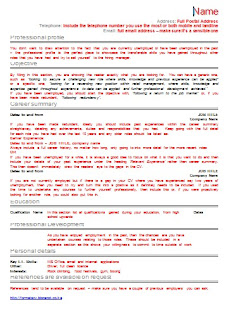
This site Provide useful CV templates for download. The templates are in word format and can be easily downloaded and edited accordingly.Click on the Image to make your CV.

| |


الأربعاء، 7 سبتمبر 2016
How to write a impressive personal Profile for your CV - Kenya CV writing
How to write a personal Profile for your CV
For Professional CV, visit CV writing in Kenya
Putting together the core information of your CV, such as
education and employment history, is a fairly easy task. While you may think these components are all you
need to market yourself effectively, you should probably add a personal
statement too, to give your CV the extra oomph it needs to secure that job.
What is a personal statement?
A personal statement, otherwise known as a personal profile, CV
profile or perhaps even a career aim, is essentially the blurb of your career
portfolio. This small paragraph sits at the top of your CV, concisely and
effectively displaying who you are, your skills and strengths relevant to the
sector or job role, and your career goals. Sounds like quite a mouthful, but
personal statements are no problem to write, we promise. They’re actually
really similar to cover letters, except you’ll be selling your best points to a
potential employer in about four sentences, rather than an A4 page. So, if
you’ve spent all this time jazzing up your CV to hook, line and sinker that
recruiter, adding a personal statement ensures they grab the bait, so your CV won’t be ignored.
Is a personal statement necessary?
The short answer is you don’t need to have a
personal statement. However, a study revealed that on average recruiters spend 8.8 seconds
looking at your CV, so rather than letting your CV get lost in this ‘Tinderised’
process, you should give them a reason to read on.
There are some genuine reasons why you might not choose to have
a personal statement, but it shouldn’t be that you can’t be bothered to write
one! It actually depends on your job search status – if you’re applying for a
specific job role and attaching a cover letter to your CV, then you may
actively choose not to have a personal statement. As we’ve already mentioned,
your cover letter is going to do a lot of the talking for you, so you may feel
it’s best not to have another summary. Saying that, the whole point of a CV is
to market yourself, so if you can include another piece of advertising, then
why not?
If you’re a graduate then it might be best to leave the
professional side of the personal statement at bay until you’ve gained some
more work experience – simply highlight the fact you’ve got a degree, and
outline the career path you’d like to follow. While it’s not a bad thing to
share your ambitions with recruiters, you’ll probably find the word count could
be better spent discussing your final year project in more depth (just when you
thought you’d never have to talk about your final year dissertation again!) If,
however, you’ve chalked up strengths and experiences during your time at
university that anchor you to the job you’re applying for, you should highlight
these in your personal statement, and make it clear to the recruiter that you
will excel in this job role.
Personal statements are also particularly handy if you’re trying
to enter a competitive sector such as PR, advertising, film, music and
publishing. As you can imagine, recruiters from these fields deal with hundreds
of CVs on a regular basis and will simply flick past your CV unless they spot
that competitive edge. Personal statements are the perfect way for you to grab
their attention and persuade recruiters to continue reading your CV, because
you’re telling them from the off exactly why they should hire you. Of course,
you’ll need to know how to write an effective statement first, but we’ll get on
to that in a bit.
You should also consider writing a personal statement if you’re
uploading your CV to a job board like Brighter
Monday, as this gives you the chance to highlight your career goals and
give your CV more context. While this is valuable information for recruiters,
it’s just as important for you to get it right, as your personal statement will
enable recruiters to match you with the right job and ensure that the role is
fulfilling. If you’re not entirely sure what job you want, or if there are a
few sectors you reckon you could enter with your particular skill-set, then
it’s probably best not to include a personal statement. If your opening
statement is too broad, you risk giving the impression that you haven’t done
your research properly, or you’re looking for any old job – not the best
impression to make on a potential employer!
The basic format
We know writing a personal statement can seem quite daunting but
honestly, once you’ve started writing it, the rest will come naturally. Here’s
a breakdown of the basics in creating your statement.
The most important thing to remember is that statements are
usually around four sentences in length, and definitely no more than six. Aim
for anywhere between 50 and 200 words and you’re golden.
Like the length, the grammatical person you’re writing in also
has some flexibility. You could choose to write in third person which can
appear more objective, for example ‘Project manager seeking… skills include…’
Or you could write in first person which tends to be more personal: ‘I am a project manager seeking… My skills are…’ It honestly doesn’t matter which
person you choose, just pick the one you’re comfortable writing in. As long as
you keep it consistent (and don’t actually use your own name if you choose to
write in the third person!) you can’t go wrong.
The simpler your CV layout, the better. The last thing
recruiters want is to trawl through a bundle of words trying to pick out your
good bits like they’re the orange ones in a packet of revels. So, firstly you
don’t really need a title for your personal statement. It sits under your name
and contact info, and before the first chunk of your job or education history,
so it’s pretty obvious it’s an introduction to you. Secondly, make the spacing
a little bigger and try increasing it to 1.5. As it’s the first thing a
recruiter will read, you want this to be as clear as possible – it’s often a
real decision maker.
What to include
Okay, so what do you actually include? When drafting your
personal statement, split it into three sections: who you are, what you can
offer the company, and your career goals.
TIP: Bullet point things you might mention
under each of these sections, then list the qualities that position you as the
ideal person for the job.
Who you are
In the ‘who you are’ section you might state that you’re:
§ A
recent graduate with a 2:1 degree in Creative Writing from the University of
Surrey seeking an entry-level position in…
§ A
highly-skilled mechanical engineer looking to resume a position in…
§ An
ambitious purchasing manager looking to progress into…
What you can offer the company
In the ‘what you can offer the company’ part, you’re basically
selling your absolute top skills and strengths and backing them up with
evidence. If you’re tweaking your CV because you’re applying for a particular
job, use the job spec to create your statement. For example, if the employer is
looking for someone with attention to detail and you’ve got experience
meticulously proofing essays or presentations etc., then say so!
If you’re crafting a more general personal statement with a job
title in mind, be sure you include achievements and expertise that are
noteworthy and will make you stand out in that field. For example, if you’re
looking for a position within graphic design and you’ve got extensive Photoshop
experience working on a major campaign, not only can you claim you have these
skills in your personal statement, but you can back them up too – perfect!
The important thing to remember here is to not litter your
personal statement with a trail of buzzwords. You might well be an ‘extremely
driven strategic thinker with excellent communication skills and extensive
experience in marketing’, but all you’ve really done here is told the recruiter
that you’ve worked in marketing with no actual proof of your other claims. To
top it off, you’ve also revealed this information in an extremely boring way
that recruiters have heard a million times before; when it comes to selling
yourself, you don’t want to write something as bland as overcooked rice, you
want to lovingly craft flippin’ sea food paella. So try to highlight real,
relevant skills and back them up with evidence to make the statement strong.
Try something like this for the middle section:
§ During
my degree I have developed an excellent eye for detail due to the heavy demands
of assignments and research. As a result I am also able to work under pressure,
especially when balancing my educational workload with my volunteering
placement at local nursing homes.
§ Knowledgeable
engineer with a wide skills-set, including condition based maintenance, through
working on automated systems such as…
§ Through
utilising my communications skills when working in managerial positions at
large corporations, I have developed successful working relationships and
resultantly, an advantageous professional network.
Career goals
The final section of the personal statement is to highlight your
career goals. More than anything this shows the recruiter that you are a
professional worth investing time and money in. Take a look at these examples:
§ I am
looking for a challenging, fast-paced environment within media to utilise my
written knowledge and develop my creative skill-set further.
§ Looking
to re-establish a career in a progressive organisation which requires
engineering expertise, after a short career break to take care of a new-born.
§ I am
looking to secure a challenging role in a market-leading automotive company
where I can bring fresh strategic vision and value to the business.
Dos and don’ts
Here’s a quick breakdown of the key points to remember when crafting
that all-important statement.
Do…
§ Get
straight to the point – recruiters don’t like to read waffle!
§ Provide
evidence of your skills and experience, but be brief! Offer just enough to hook
the recruiter.
§ Remember
that you’re marketing yourself.
§ Make the
statement look purposeful – you need show you know what you’re talking about,
without sounding too arrogant.
§ Reflect
the job specification in your statement.
§ Be
real! Recruiters ultimately want to know you as a person and what you can bring
to the table.
§ Proof
read for spelling and grammar.
§ Read it
aloud to make sure it flows properly. Probably best to get someone else to run
an eye over it too.
Don’t…
§ Overuse
buzz words – you might want to chuck a few in there, but a hyperbolic stream of
empty qualities and meaningless words is just off-putting.
§ Mix the
grammatical person – remember either first person or third, not both.
§ Be
boring – you want to sound unique with noteworthy qualities.
§ Copy
from your cover letter or copy your cover letter from your statement – that’s
just lazy.
§ Ramble!
Samples
Here’s a few final examples of personal statements for you to
gloss over. Hopefully it’ll spark some inspiration for your own!
Graduate
I am a
recent graduate with a 2:1 degree in Creative Writing from the University of
Surrey seeking an entry-level position in copywriting. During my degree I have
developed an excellent eye for detail due to the heavy demands of assignments
and research. As a result I am also able to work under pressure, especially
when balancing my educational workload with my volunteering placement at local
nursing homes. Over the last year I have also balanced an editing position at
Surrey’s media society, where I have devised content ideas and managed a small
team of writers, proving that I have potential to excel within a professional
writing field. I am looking for a challenging, fast-paced environment within
media to utilise my creative knowledge and develop my writing skill-set
further.
Career
break
Highly-skilled
mechanical engineer looking to resume a position in industrial construction.
Extremely knowledgeable with seven years industry experience. Possesses a wide
skill-set, including condition based maintenance, through working on automated
systems on large-scale building projects. Looking to re-establish a career in a
progressive organisation which requires engineering expertise, after a short
career break to take care of a new-born.
Career
progression
I am an
ambitious purchasing manager looking to progress into a senior purchasing
position within the automotive sector. Through utilising my communications
skills when working in managerial positions at large automotive corporations, I
have developed successful working relationships and resultantly, an
advantageous professional network. Due to over 12 years of experience within
this industry, I am fully equipped with commercial awareness and product
knowledge. I am looking to secure a challenging role in a market-leading
automotive company where I can bring fresh strategic vision and value to the
business.
الاشتراك في:
الرسائل (Atom)
-
CV Templates Writing a CV is hectic, especially if you’re starting from scratch, sitting down to write a winning CV will seem like ...
-
 CV AND RESUME CAREERS SAMPLES AND DOWNLOADS Writing a CV is hectic, especially if you’re starting from scratch, sitting down to write a...
 -
 A Accounting technician Job duties and description What kind of job? Accounting technicians carry out a range of practical accountin...
